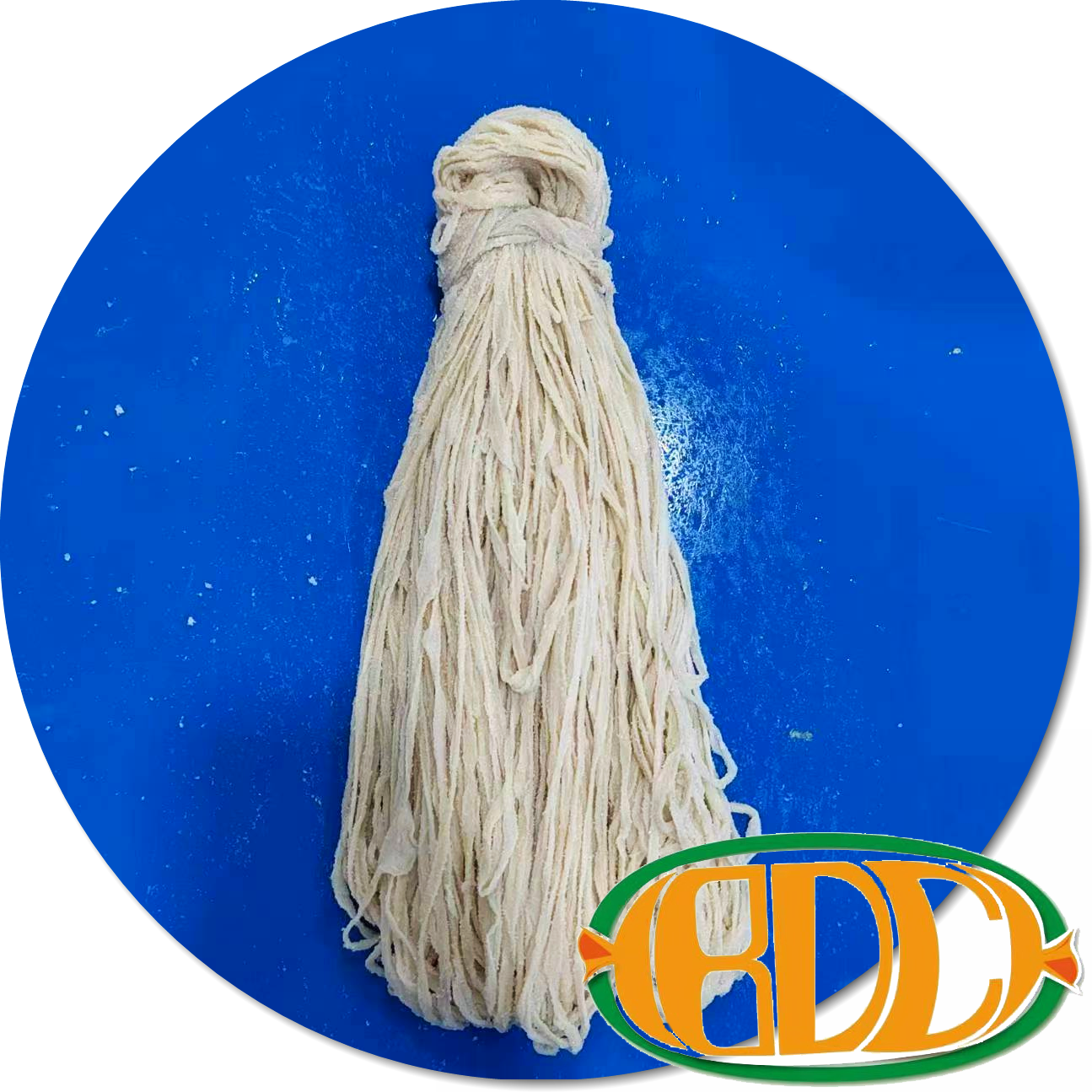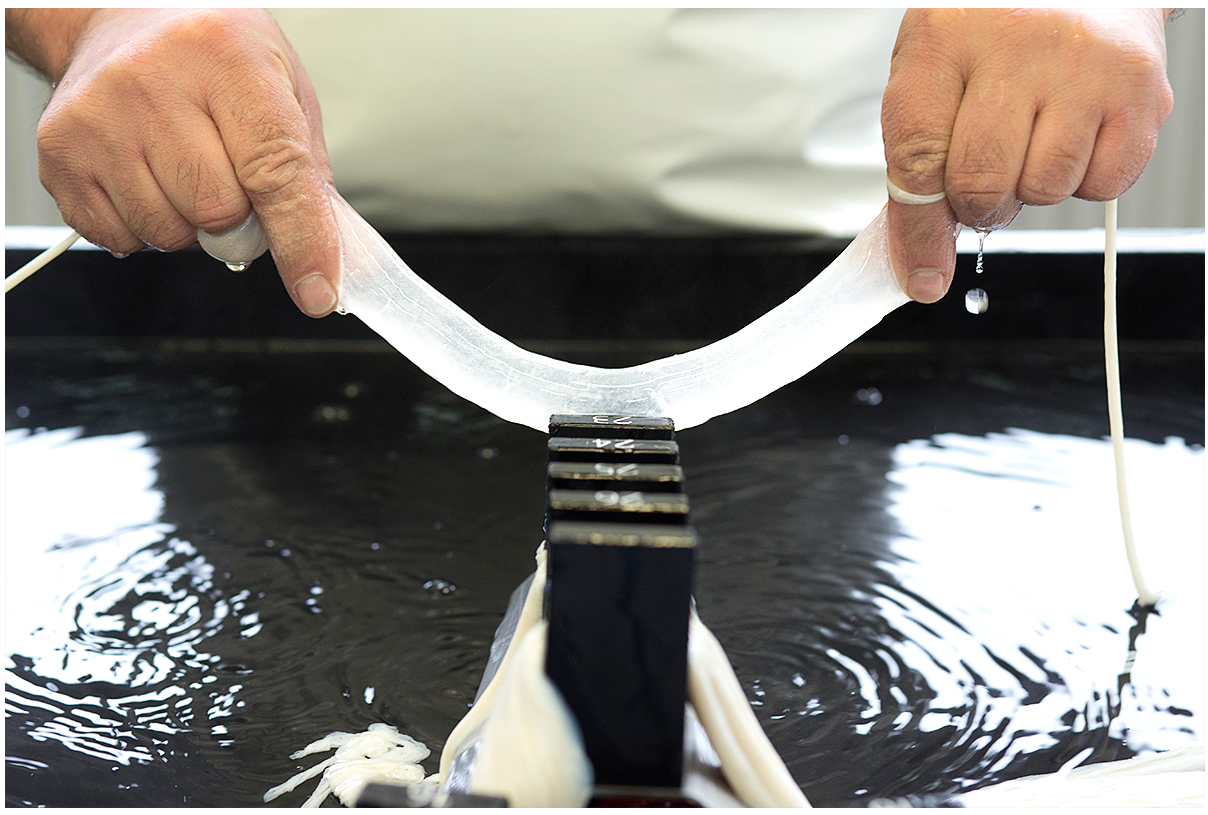

At Baoding Juye Casing Co., Ltd. , we understand that the quality of a sausage depends not only on the meat and seasoning but also on the casing that holds it together. For nearly 40 years, we have perfected our processing and handling techniques to deliver natural sheep casings that meet the highest standards of food safety, consistency, and performance.
Located in Baoding, Hebei Province – the heart of China’s natural casing industry – we combine traditional craftsmanship with modern quality control systems to transform raw sheep intestines into premium casings trusted by sausage makers in more than 50 countries worldwide.
This article provides an overview of our processing and handling procedures, from raw material reception to final packaging and storage.
Raw Material Sourcing and Reception
The journey of a premium natural sheep casing begins with the selection of raw materials. We source our intestines from healthy, pasture-raised sheep, ensuring that all raw materials come from animals that have passed veterinary ante-mortem and post-mortem inspections. Only intestines from EU-approved establishments or third-country suppliers that demonstrate compliance with international food safety legislation are accepted.
Upon arrival at our facility, every batch of raw intestines undergoes rigorous inspection. Our quality control team checks for freshness, color, odor, and overall condition. All raw materials must pass农兽药残留 testing before being cleared for production. This strict incoming material control ensures that only the highest-quality raw materials enter our processing line.
The Processing Journey: Step by Step
Our processing procedure follows a carefully controlled sequence to ensure consistency, safety, and quality at every stage.
1. Picking and Initial Cooling
Raw intestines are picked from the slaughterhouse immediately after slaughter to prevent bacterial spoilage. They are thoroughly rinsed, cooled down, and stored in quick-frozen or chilled conditions until processing begins. For sheep casings, fermentation may occur prior to cleaning, with intestines placed overnight in cooled storage to allow the mucosa to degrade for easier removal.
2. Soaking and Fermentation
The original intestines are thawed and placed in running water for fermentation. This natural process helps loosen the mucosal layer, making subsequent scraping more effective. Only potable water is used in all handling and processing operations to prevent contamination.
3. Scraping – Removing Unwanted Layers
The core of natural casing production is the scraping process, where unwanted layers are removed to leave only the submucosa – the strong, elastic tissue that forms the final casing.
During processing, the tunica mucosa (innermost layer), tunica muscularis (muscle layers), tunica serosa (outermost layer), and Peyer’s patches (lymphoid nodules) are removed. What remains is the tunica submucosa – a network of collagen fibers that gives natural casings their strength, elasticity, and permeability.
After washing the fermented casings, specialized scrapers (bladeless scrapers, bamboo boards, or mechanical scrapers) are used to gently remove the mucous membrane and muscle layers. The result is a cleaned sheep casing with an average thickness of just 0.11 mm – thin, delicate, yet remarkably strong.
4. Salting – The Traditional Preservation Method
Once cleaned, the casings are immediately salted to preserve them. Salt (sodium chloride) remains the industry’s standard operating procedure for natural casing preservation, applied either as dry salt or as fully saturated brine.
Our salting process involves:
- Pickling the processed semi-finished products with food-grade salt that complies with QB/T 2606 requirements
- Allowing the casings to cure continuously in dry salt or saturated salt brine for a period of not less than 30 days before shipment
- This 30-day curing period, starting from the initial salting after cleaning, may include storage and transport time before delivery to the customer
The salting process serves multiple purposes: it preserves the casings, inhibits bacterial growth, and enhances their texture and durability. Studies have demonstrated the efficacy of salting for bacterial inactivation, and these findings have been incorporated into HACCP-based standard operating procedures across the international casing industry.
5. Grading and Classification
After the characteristics of the casing are stabilized through salting, our experienced technicians grade each batch according to cortex strength and caliber.
Quality Grades: Casings are divided into grades based on strength, appearance, and freedom from defects. Quality requirements include being clean, odorless, tasteless, grease-free, bright, true to size, hole-free, and pressure-resistant.
Caliber Classification: Sheep casings are available in a wide range of calibers, typically from 14mm to 30mm. Caliber is measured in millimeters and indicates the diameter of the casing. This extensive range allows us to meet the specific requirements of diverse sausage recipes and production needs.
6. Measuring and Coding
Graded casings are calibrated and measured into standard hanks (bundles) of approximately 91.4 meters (or 91.5 meters) per hank. This standardized measurement facilitates easy handling, inventory management, and pricing for our customers.
7. Inspection and Quality Control
Quality is verified through a three-tier inspection system:
- Team leader inspection
- Regional quality inspection
- General quality inspection
Each level performs step-by-step checks to ensure that only casings meeting our strict standards proceed to packaging.
8. Shirring and Final Packaging
Depending on customer requirements, casings are either:
- Shirred onto plastic sheets or tubes using specialized shirring machines
- Packed in bundles with dry salt or saturated brine
After shirring or bundling, the casings are sprinkled with refined salt for further preservation and placed in sieve frames to drain excess moisture.
9. Winding and Barreling
The pickled casings are wrapped according to fixed specifications. Finally, they are packed into barrels, buckets, cartons, or cans for storage and shipment. Packaging materials are food-grade and designed to provide adequate protection, prevent contamination, and accommodate proper labeling.
Storage and Handling Best Practices
Proper storage and handling are essential to maintaining the quality of natural sheep casings from our facility to your production line.
Temperature Control: Until casings have been salted for the first time, storage must be maintained in cooled areas at a maximum of 3°C. Once salted, sheep casings should ideally be stored at temperatures between +4°C and +8°C in closed containers, protected from light. Our state-of-the-art cold storage facilities maintain optimal humidity and temperature conditions to prevent bacterial growth and ensure product stability.
Shelf Life: Salted natural casings have an established minimum shelf life of 4 years. The salting and curing process, combined with proper storage conditions, ensures long-term product stability.
Traceability: We maintain full product traceability from raw material sourcing to final delivery. In accordance with international food safety regulations, we have effective procedures in place to enable complete, rapid recall of any implicated lot if necessary. Records of processing, production, and distribution are retained for a period that exceeds the product’s shelf life.
Our Commitment to Food Safety: HACCP Implementation
At Baoding Juye Casing, food safety is not just a requirement – it is a core value. Our processing and handling procedures are built on a certified HACCP (Hazard Analysis and Critical Control Point) system.
HACCP implementation in natural casing production is essential for ensuring high quality and confidence in the safety of manufactured products. Our HACCP plan addresses:
- Biological hazards (65% of identified risks)
- Chemical hazards (20% of identified risks)
- Physical hazards (15% of identified risks)
We follow the GB/T 20572-2019 national standard for HACCP application in natural casing production, which specifies requirements for establishing, implementing, updating, and improving HACCP systems.
Correct implementation of these HACCP-based procedures allows us to deliver safe, sound natural casings with the required product traceability – providing sausage makers with the quality product they need for their sausages and consumer satisfaction.
Why Choose Baoding Juye Casing?
Our processing and handling expertise is backed by:
- 40 years of industry experience since 1988
- HACCP certification and compliance with international food safety standards
- State-of-the-art cold storage facilities ensuring product stability
- Full traceability from raw material to final delivery
- Flexible packaging options to suit diverse customer requirements
- Global export to more than 50 countries and regions
- Halal-certified production options available
From Our Facility to Your Production Line
Whether you are a small artisanal producer or a large-scale meat processor, Baoding Juye Casing Co., Ltd. delivers natural sheep casings that have been processed and handled with the utmost care and professionalism.
Contact us today to discuss your specific caliber and packaging requirements, request samples, or place an order. Let our processing expertise and handling excellence support your sausage production success.
Baoding Juye Casing Co., Ltd. – Globally Trusted Natural Casing Expert Since 1988